top of page
FREE SHIPPING ON ORDERS
OVER 150$ (NATIONAL) &
1000$ (INTERNATIONAL)
CUSTOMS & IMPORT TAXES
NOT INCLUDED
Birthstones

January - Garnet
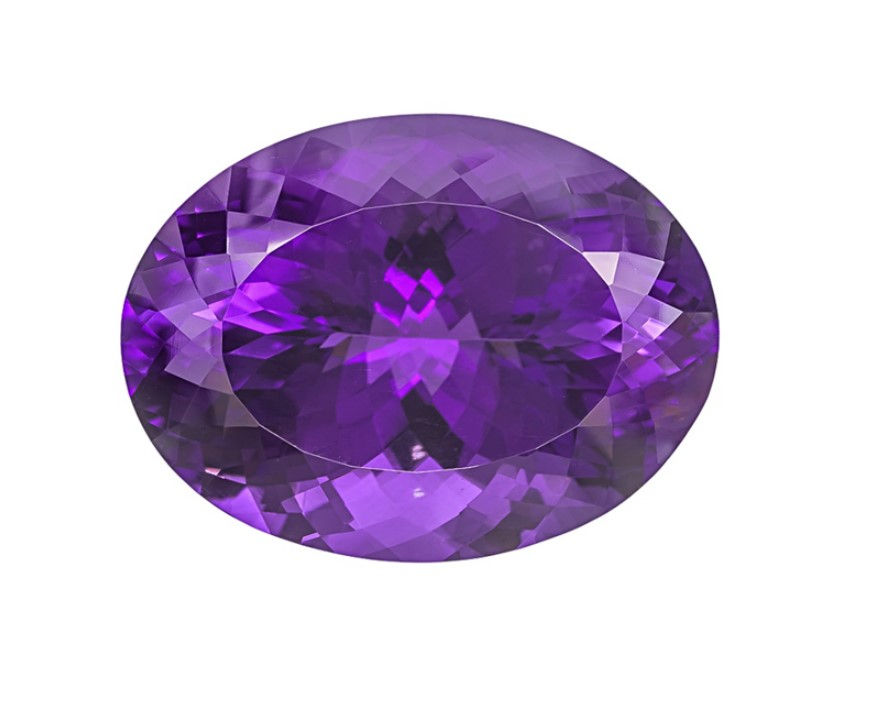
February- Amethyst
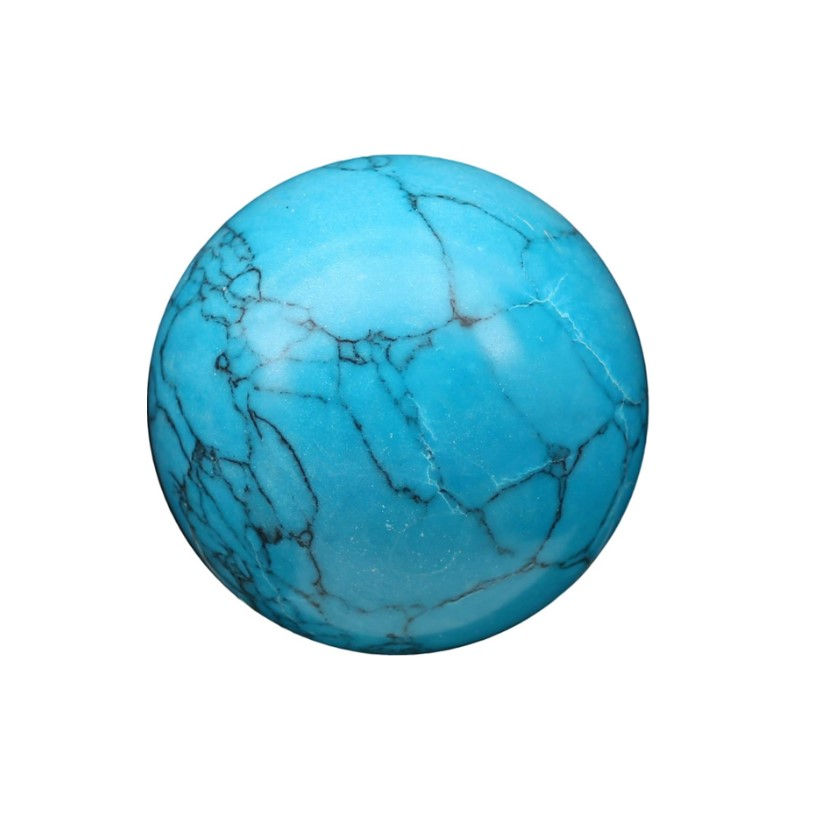
December - Turquoise

January - Garnet
1/12
Birthstones
GARNET
The January birthstone is the garnet. Garnets are a group of silicate minerals that come in a variety of colors, including red, orange, yellow, green, purple, brown, black, and pink. The most common color of garnet is red, which is why it is often associated with the color of love and passion.
Garnet is known for its hardness, durability, and luster. It is a relatively hard gemstone, ranking between a 7 and 7.5 on the Mohs scale of mineral hardness, making it suitable for use in jewelry. Garnet is also resistant to scratching and damage, making it a good choice for everyday wear. The luster of garnet ranges from vitreous (glass-like) to resinous (oily or waxy).
https://static.wixstatic.com/media/10a9d7_ccf3e1d190e54cc1824eecf6079324db~mv2.png
Garnet has a long history of use as a gemstone. It has been found in ancient Egyptian, Greek, and Roman jewelry and has been used in various cultures around the world. In the Middle Ages, garnet was believed to have protective and healing properties and was often worn as a talisman to ward off danger and illness. Today, garnet is still widely used in jewelry and is often given as a gift to celebrate a second anniversary. Today, garnets are still popular as a symbol of love and commitment.
The February birthstone is amethyst. Amethyst is a violet variety of quartz that has been highly prized as a gemstone for centuries. It is found in various shades of purple, ranging from pale lavender to deep, dark purple. The color of amethyst is due to the presence of iron and other trace elements in the crystal structure of the quartz.
Amethyst is known for its beautiful color and is often used in jewelry. It is a relatively hard gemstone, ranking between a 7 and 7.5 on the Mohs scale of mineral hardness, making it suitable for use in rings and other types of jewelry that may be subject to wear and tear. Amethyst has a vitreous (glass-like) luster and is often cut into faceted gemstones or cabochons.
https://static.wixstatic.com/media/10a9d7_e816973c6f0640558f024fef6fe5a00e~mv2.png
Amethyst has a long history of use as a gemstone. It was highly prized by the ancient Greeks and Romans, who believed that the gemstone had protective and healing properties. In the Middle Ages, amethyst was associated with piety and was often worn by bishops and other clergy. Today, amethyst is still highly prized as a gemstone and is often given as a gift to celebrate a sixth anniversary.
In addition to its use as a gemstone, amethyst is also used in traditional and alternative medicine. It is believed to have calming and soothing properties and is sometimes used to treat anxiety and insomnia. Amethyst is also believed to have healing properties and is used in crystal healing to promote physical and emotional well-being.
The March birthstone is aquamarine. Aquamarine is a variety of the mineral beryl that is characterized by its beautiful blue-green color. The color of aquamarine ranges from pale blue to deep blue-green and is caused by the presence of iron in the crystal structure of the beryl.
Aquamarine is known for its durability and luster. It is a relatively hard gemstone, ranking between a 7.5 and 8 on the Mohs scale of mineral hardness, making it suitable for use in jewelry. Aquamarine has a vitreous (glass-like) luster and is often cut into faceted gemstones or cabochons.
https://static.wixstatic.com/media/10a9d7_a3f459bd7d024b398f49ff3f120a3c1e~mv2.png
Aquamarine has a long history of use as a gemstone. It was highly prized by the ancient Egyptians, who believed that the gemstone had protective and healing properties. In the Middle Ages, aquamarine was associated with youth, hope, and health and was believed to have the power to ward off illness and promote good fortune. Today, aquamarine is still highly prized as a gemstone and is often given as a gift to celebrate a 19th anniversary.
In addition to its use as a gemstone, aquamarine is also used in traditional and alternative medicine. It is believed to have calming and soothing properties and is sometimes used to treat anxiety and insomnia. Aquamarine is also believed to have healing properties and is used in crystal healing to promote physical and emotional well-being.
The classical and traditional birthstone for April is the diamond. Diamonds have been associated with April for centuries and are considered the official birthstone in both historical and modern birthstone lists. Their rarity, brilliance, and durability made them a natural symbol of strength, purity, and lasting love.
https://static.wixstatic.com/media/10a9d7_f70f7742e6c4468384c60e7d44427b8e~mv2.png
In recent decades, white sapphire and clear quartz have come into use as alternative birthstones for April. These stones are not part of the original traditional birthstone system, but were adopted as practical and aesthetic alternatives for those seeking a similar white, clear appearance at different price points and with different visual qualities. White sapphire offers a natural, durable gemstone with a soft brilliance, while clear quartz provides a clean, minimalist look with wide availability.
Today, diamond remains the classical and primary birthstone for April, while white sapphire and clear quartz are widely accepted modern alternatives that allow for more choice in style, budget, and design preferences — without changing the traditional symbolism of the month.
White Sapphire (Alternative Birthstone)
The April alternative birthstone is white sapphire. White sapphire is a beautiful gemstone known for its clarity, durability, and subtle brilliance. While not as hard as diamond, sapphire is one of the hardest gemstones, ranking a 9 on the Mohs scale of mineral hardness, making it highly suitable for everyday jewelry. White sapphire reflects light with a soft, elegant sparkle, offering a refined and timeless appearance.
White sapphires are typically colorless to slightly milky white. Unlike diamonds, they have less dispersion of light, giving them a more gentle glow rather than intense fire. Their neutral white color makes them a popular alternative for those seeking a classic, understated look.
White sapphires are cut in a wide variety of shapes, including round, oval, cushion, emerald, pear, and princess cuts. Well-cut white sapphires can display excellent brilliance and clarity, making them a versatile choice for rings, pendants, and earrings.
Sapphires have been treasured throughout history and were highly valued by royalty and clergy in ancient and medieval times. They were believed to symbolize wisdom, protection, and purity. Today, white sapphire is appreciated as an elegant and durable alternative to diamond, often chosen for its natural beauty and timeless appeal.
Clear Quartz (Alternative Birthstone)
Clear quartz is another alternative birthstone for April. Clear quartz is a transparent gemstone known for its clarity, natural beauty, and wide availability. While it is softer than diamond and sapphire, ranking a 7 on the Mohs scale of mineral hardness, it is still durable enough for everyday jewelry with proper care. Clear quartz reflects light cleanly, creating a bright and glass-like appearance.
Clear quartz is naturally colorless and transparent, which is why it is often associated with the color white and purity. Its simplicity and clarity make it a versatile gemstone that pairs easily with any style of jewelry and setting.
Clear quartz is cut into many shapes and styles, including round, oval, faceted, cabochon, and free-form cuts. Skilled cutting enhances its brilliance and transparency, allowing light to pass through beautifully.
Clear quartz has been used as a gemstone and decorative stone for thousands of years. Many ancient cultures believed it possessed protective and healing qualities and used it in rituals, jewelry, and ornaments. Today, clear quartz remains popular for its natural elegance, affordability, and timeless, minimalist aesthetic.
The May birthstone is emerald. Emerald is a variety of the mineral beryl that is characterized by its beautiful green color. The color of emerald ranges from pale green to deep green and is caused by the presence of chromium and vanadium in the crystal structure of the beryl.
Emerald is known for its beauty and durability. It is a relatively hard gemstone, ranking between a 7.5 and 8 on the Mohs scale of mineral hardness, making it suitable for use in jewelry. However, emerald is a brittle gemstone and can be prone to chipping and breaking if it is not handled carefully. Emerald has a vitreous (glass-like) luster and is often
https://static.wixstatic.com/media/10a9d7_f8d088af7c364bf09c33a0cf32216864~mv2.png
cut into faceted gemstones or cabochons.
Emerald has a long history of use as a gemstone. It was highly prized by the ancient Egyptians, who believed that the gemstone had protective and healing properties. In the Middle Ages, emerald was associated with love and was believed to have the power to strengthen relationships. Today, emerald is still highly prized as a gemstone and is often given as a gift to celebrate a 20th or 35th anniversary.
In addition to its use as a gemstone, emerald is also used in traditional and alternative medicine. It is believed to have calming and soothing properties and is sometimes used to treat anxiety and insomnia. Emerald is also believed to have healing properties and is used in crystal healing to promote physical and emotional well-being.
The classical and traditional birthstone for June is pearl. Pearls have been associated with June for centuries and appear in historical birthstone lists across different cultures. Unlike most gemstones, pearls are organic gems formed inside mollusks, and their soft luster and natural elegance made them enduring symbols of purity, beauty, and refinement.
In more recent decades, alexandrite and moonstone were added as modern alternatives for June. These stones are not part of the original traditional birthstone system, but were included in updated birthstone lists to expand choice and reflect the availability of newly recognized or popular gemstones. Alexandrite offers rarity and dramatic color change, while moonstone provides a softer, luminous aesthetic that aligns naturally with June’s gentle, ethereal character.
Today, pearl remains the classical and traditional birthstone for June, while alexandrite and moonstone are widely accepted modern alternatives. Together, they offer a broader range of styles, durability levels, and visual character, while preserving pearl’s historical role as the original birthstone of the month.
Alexandrite (Alternative Birthstone)
Alexandrite is a rare and remarkable modern alternative birthstone for June, best known for its natural color-changing properties. It is a durable gemstone, ranking about 8.5 on the Mohs scale of mineral hardness, making it suitable for everyday jewelry. Alexandrite’s dramatic shift in color gives it a sense of depth and uniqueness that few gemstones can match.
Alexandrite typically appears green to bluish-green in daylight and shifts to red or purplish-red under warm or incandescent lighting. This natural color-change effect is the defining feature of the gemstone, and stones with a strong, distinct color change are considered the most valuable.
https://static.wixstatic.com/media/4f5757_6c2ecd55c578459d86a17c6dabafb2cf~mv2.jpg
Alexandrite is cut into a variety of classic gemstone shapes, including oval, cushion, round, and emerald cuts. Because of its rarity and value, alexandrite is often cut in smaller sizes, with cutting optimized to highlight the color-change effect rather than maximum brilliance.
Alexandrite was first discovered in Russia in the 19th century and was named after Tsar Alexander II. Due to its rarity and extraordinary optical properties, alexandrite has long been considered a collector’s gemstone. Today, it is prized as a premium modern alternative birthstone for June, chosen for its rarity, sophistication, and striking visual character.
Moonstone (Alternative Birthstone)
Moonstone is a modern alternative birthstone for June, known for its soft, glowing appearance and subtle optical effect. It ranks about 6 to 6.5 on the Mohs scale of mineral hardness, making it more delicate than many gemstones and best suited for jewelry that is worn with care. Its surface displays a gentle shimmer known as adularescence, which creates a floating, moon-like glow beneath the stone’s surface.
Moonstone typically appears colorless to milky white, often with a blue or silvery sheen. Some moonstones may also show peach, gray, or rainbow hues, depending on the variety. The most valued moonstones display a strong blue sheen on a transparent to semi-transparent background.
https://static.wixstatic.com/media/4f5757_dc840a77030f4ad6aecf8fc5c08679af~mv2.avif
Moonstone is commonly cut as a cabochon to best display its adularescent glow, though faceted moonstones are also used in some designs. Its soft, luminous appearance makes it especially popular in romantic, vintage-inspired, and bohemian-style jewelry.
Moonstone has been admired for centuries and appears in many cultural traditions, where it was associated with intuition, protection, and new beginnings. Today, moonstone remains a popular modern alternative birthstone for June, chosen for its dreamy aesthetic, symbolic associations, and gentle elegance.
The July birthstone is ruby. Ruby is a variety of the mineral corundum that is characterized by its beautiful red color. The color of ruby ranges from pale pink to deep red and is caused by the presence of chromium in the crystal structure of the corundum.
Ruby is known for its beauty, hardness, and durability. It is a relatively hard gemstone, ranking a 9 on the Mohs scale of mineral hardness, making it suitable for use in jewelry. Ruby has a vitreous (glass-like) luster and is often cut into faceted gemstones or cabochons.
https://static.wixstatic.com/media/10a9d7_6b638f1942f64068b13aafc96674db03~mv2.png
Ruby has a long history of use as a gemstone. It was highly prized by the ancient Hindus, who believed that the gemstone had protective and healing properties. In the Middle Ages, ruby was associated with love and was believed to have the power to strengthen relationships. Today, ruby is still highly prized as a gemstone and is often given as a gift to celebrate a 15th or 40th anniversary.
In addition to its use as a gemstone, ruby is also used in traditional and alternative medicine. It is believed to have calming and soothing properties and is sometimes used to treat anxiety and insomnia. Ruby is also believed to have healing properties and is used in crystal healing to promote physical and emotional well-being.
The August birthstone is peridot. Peridot is a variety of the mineral olivine that is characterized by its beautiful olive green color. The color of peridot ranges from pale yellow-green to deep olive green and is caused by the presence of iron in the crystal structure of the olivine.
Peridot is known for its beauty and durability. It is a relatively hard gemstone, ranking between a 6.5 and 7 on the Mohs scale of mineral hardness, making it suitable for use in jewelry. Peridot has a vitreous (glass-like) luster and is often cut into faceted gemstones or cabochons.
https://static.wixstatic.com/media/10a9d7_7899be7b15ea453181c99177f7c58829~mv2.png
Peridot has a long history of use as a gemstone. It was highly prized by the ancient Egyptians, who believed that the gemstone had protective and healing properties. In the Middle Ages, peridot was associated with the sun and was believed to have the power to ward off danger and bring good luck. Today, peridot is still highly prized as a gemstone and is often given as a gift to celebrate a 16th anniversary.
In addition to its use as a gemstone, peridot is also used in traditional and alternative medicine. It is believed to have calming and soothing properties and is sometimes used to treat anxiety and insomnia. Peridot is also believed to bring good health, restful sleep and peace to relationships by balancing emotions and mind. This friendly bright green stone also has the uncanny ability to inspire eloquence and creativity to have healing properties and is used in crystal healing to promote physical and emotional well-being.
The September birthstone is sapphire. Sapphire is a variety of the mineral corundum that is characterized by its beautiful blue color. The color of sapphire ranges from pale blue to deep blue and is caused by the presence of iron and titanium in the crystal structure of the corundum. Sapphire is also found in other colors, such as pink, yellow, green, and purple, but blue sapphire is the most highly prized and sought after.
Sapphire is known for its beauty, hardness, and durability. It is a relatively hard gemstone, ranking a 9 on the Mohs scale of mineral hardness, making it suitable for use in jewelry. Sapphire has a vitreous (glass-like) luster and is often cut into faceted gemstones or cabochons.
https://static.wixstatic.com/media/10a9d7_2558f33e982d482a8be6a7067057e232~mv2.png
Sapphire has a long history of use as a gemstone. It was highly prized by the ancient Persians, who believed that the gemstone had protective and healing properties. In the Middle Ages, sapphire was associated with truth and was believed to have the power to ward off danger and bring good luck, in addition to release mental tension, dispel depression, facilitate meditation, calm the mind, and provide mental clarity. Today, sapphire is still highly prized as a gemstone and is often given as a gift to celebrate a 5th or 45th anniversary.
In addition to its use as a gemstone, sapphire is also used in traditional and alternative medicine. It is believed to have calming and soothing properties and is sometimes used to treat anxiety and insomnia. Sapphire is also believed to have healing properties and is used in crystal healing to promote physical and emotional well-being.
The October birthstone is opal. Opal is a beautiful, iridescent gemstone that is prized for its unique play of color. It is a type of hydrated silica, which means that it contains water within its crystal structure.
Opal is known for its delicate, milky appearance and the way it seems to glow from within. It can display a wide range of colors, including red, orange, yellow, green, blue, purple, pink, and white. This color display is caused by the diffraction of light through the gemstone's internal structure, which is made up of tiny silica spheres arranged in a regular pattern.
https://static.wixstatic.com/media/10a9d7_d1e421fe9c784a3eb079829f633c10ee~mv2.png
Opals are found in a variety of locations around the world, including Australia, Brazil, Ethiopia, Mexico, and the United States. Australian opals are considered to be the highest quality, and they are known for their bright, vivid colors.
Opals are generally quite delicate and can be easily scratched or chipped. They are also sensitive to heat and can become discolored or crack if subjected to high temperatures. To care for an opal, it is important to handle it gently and avoid exposing it to heat or harsh chemicals. It is also a good idea to store opals in a soft cloth or jewelry box to protect them from damage.
In addition to being the October birthstone, opal is also believed to have healing properties and is thought to bring good luck and prosperity to those who wear it, in addition to high vibrational energy, amplification powers, and a perfect sense of balance. It is often given as a gift to celebrate special occasions such as birthdays, anniversaries, and weddings.
The November birthstone is topaz. Topaz is a beautiful, transparent gemstone that comes in a variety of colors, including yellow, orange, pink, red, green, blue, and white. The most valuable and sought-after topaz is the imperial topaz, which is a deep orange color.
Topaz is a hard and durable gemstone that is often used in jewelry. It is known for its high refractive index, which gives it a brilliant sparkle. It is also known for its ability to change color when subjected to different types of light, which adds to its appeal.
https://static.wixstatic.com/media/10a9d7_7a03c08fcaa14d1eb7c56685f6f0a090~mv2.png
Topaz is found in a variety of locations around the world, including Brazil, Madagascar, Mexico, Nigeria, Pakistan, and the United States. The finest topaz is said to come from the Ouro Preto region of Brazil.
In addition to being the November birthstone, topaz is also believed to have healing properties and is thought to bring good luck and prosperity to those who wear it. Also that it soothes, heals, recharges and re-centers its wearers. It is ssociated with compassion and communication, it's a preferred stone to wear for "building bridges" between people It is often given as a gift to celebrate special occasions such as birthdays, anniversaries, and weddings.
To care for topaz, it is important to handle it gently and avoid exposing it to heat or harsh chemicals. It is also a good idea to store topaz in a soft cloth or jewelry box to protect it from damage.
The classical and traditional birthstone for December is turquoise. Turquoise has been associated with December for centuries and appears in historical birthstone lists across different cultures. Its distinctive blue to blue-green color and long history of use in jewelry made it a natural symbol of protection, luck, and positive energy.
In more recent decades, tanzanite and zircon were added as modern alternatives for December. These stones are not part of the original traditional birthstone system, but were introduced in the 20th century as new gemstone discoveries and commercial birthstone updates expanded the list of recognized birthstones. Tanzanite offers a rich blue-violet color that fits naturally into December’s cool color palette, while zircon provides brilliant sparkle and comes in a wide range of colors, including classic blue and colorless varieties.
Today, turquoise remains the classical and traditional birthstone for December, while tanzanite and zircon are widely accepted modern alternatives. Together, they offer a broader range of styles, colors, and price points, while preserving turquoise’s historical role as the original birthstone of the month.
Tanzanite (Alternative Birthstone)
Tanzanite is a modern alternative birthstone for December. It is a rare and highly prized gemstone known for its rich blue to violet color and striking depth of tone. Tanzanite ranks about 6 to 6.5 on the Mohs scale of mineral hardness, making it more delicate than many traditional gemstones and best suited for jewelry that is worn with care. Its unique color and velvety appearance give it a luxurious and distinctive look.
https://static.wixstatic.com/media/4f5757_4966666d453e4fd8b29abeb24e8832b6~mv2.jpg
Tanzanite occurs in a narrow range of blue-violet shades, often displaying hints of purple depending on lighting and angle. This phenomenon, known as pleochroism, causes tanzanite to show different colors when viewed from different directions. The most valued stones display a deep, saturated blue with violet undertones.
Tanzanite is cut into many popular gemstone shapes, including round, oval, cushion, pear, and emerald cuts. Skilled cutting is especially important for tanzanite, as the stone’s orientation during cutting strongly affects its final color and brilliance.
Tanzanite was discovered in Tanzania in the 1960s and is found in only one location in the world, which adds to its rarity and appeal. Since its introduction to the jewelry market, it has become a popular modern birthstone for Decem
ber, valued for its rarity, color, and contemporary elegance.
Zircon (Alternative Birthstone)
Zircon is a modern alternative birthstone for December. It is a natural gemstone known for its exceptional brilliance and wide range of colors. Zircon ranks about 6.5 to 7.5 on the Mohs scale of mineral hardness, making it suitable for everyday jewelry with reasonable care. Its high refractive index gives zircon a sparkle that rivals that of diamond, often surprising those unfamiliar with the stone.
Zircon occurs in many colors, including blue, colorless, golden, brown, red, and green. Blue zircon is the most popular choice for December birthstone jewelry, while colorless zircon is valued for its diamond-like brilliance. Unlike cubic zirconia (a synthetic material), natural zircon is a genuine gemstone with a long geological history.
Zircon is cut into many classic gemstone shapes, including round, oval, cushion, emerald, and pear cuts. Well-cut zircon displays strong brilliance and fire, making it a striking and elegant option for jewelry designs.
https://static.wixstatic.com/media/4f5757_fbd4c2f445e34fc4b10c5f52865ba115~mv2.jpg
Zircon has been used as a gemstone for thousands of years and appears in historical writings and ancient jewelry. Today, zircon is appreciated as a modern alternative birthstone for December, chosen for its natural beauty, brilliance, and wide range of color options.
Buy Now
bottom of page